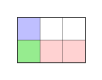
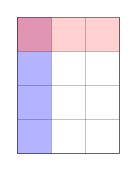
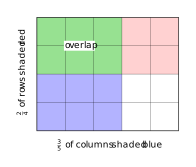
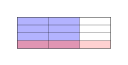
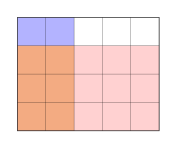
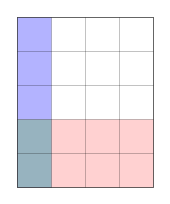
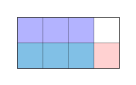
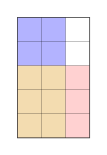
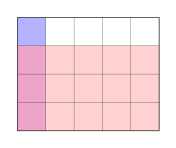
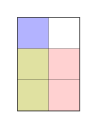
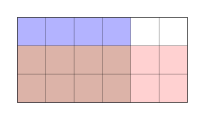
Area with Fractional Side Lengths is the Grade 5 skill of students find the area of a rectangle with fractional side lengths by tiling with unit squares and show that the area is the same as the product of the side lengths. They apply this to real-world problems involving partial units.
What does the fraction represent, and how does the model prove it?
Strong understanding comes from naming what the numbers, shapes, units, or data values represent, then showing the idea with a model or clear steps before solving.
The key to this topic is understanding the structure behind the work, not just following a rule. Students should be able to talk through what is happening, point to a model, and explain why the answer makes sense.
- Identify the whole first so every fraction part keeps the same meaning.
- Use equal parts, number lines, or area models to show the relationship.
- Check whether the answer should be larger, smaller, or equivalent before finishing.
- Use the topic language from class discussions: Students find the area of a rectangle with fractional side lengths by tiling with unit squares and show that the area is the same as the product of the side lengths. They apply this to real-world problems involving partial units.