




Parents often ask whether printable math practice tests or online math practice tests work better. The honest answer is that each format has a different strength.
Printable tests are excellent for deep thinking, scratch work, and mistake review. Online tests are excellent for timing, digital familiarity, and quick checkpoints. The best routine often uses both.
When Printable Tests Work Better
Printable math practice tests are especially helpful when students need to show work, draw models, mark important words, or correct missed questions. Paper makes thinking visible.
- Students can underline the question and circle important numbers.
- Students can draw diagrams, arrays, number lines, and area models.
- Parents can see the work, not just the final answer.
- Corrections are easier to discuss step by step.
When Online Tests Work Better
Online practice tests are useful when students need to get comfortable with a digital format. They can also help with timing, pacing, and quick feedback.
- Students practice focusing on a screen.
- Timed sections feel more realistic for online assessments.
- Scores and results may be easier to track.
- Students learn to use scratch paper while viewing problems online.
Comparison guide
Printable vs Online Math Practice Tests
| Goal | Better Format | Why |
|---|---|---|
| Learning a weak skill | Printable | Students can show work, draw models, and correct mistakes clearly. |
| Practicing pacing | Online | Timed digital practice can feel closer to many modern assessments. |
| Reviewing missed questions | Printable | It is easier to mark up, annotate, and explain corrections. |
| Building test familiarity | Online | Students practice reading and solving on a screen. |
| Final preparation | Hybrid | Use printable review plus online timing practice. |
Best Hybrid Routine
For many students, the strongest routine is simple: learn on paper, practice online, then review mistakes on paper again.
Step 1
Use printable practice for skill review and scratch work.
Step 2
Use online practice for pacing and digital comfort.
Step 3
Print or write missed questions in an error log.
Step 4
Retry similar questions after correction.
How Parents Should Choose
If your child needs better understanding, choose printable first. If your child understands the math but needs pacing and test familiarity, add online practice. If your child is preparing for a state assessment, use both formats when possible.
Next step
Printable and Online Practice Resources
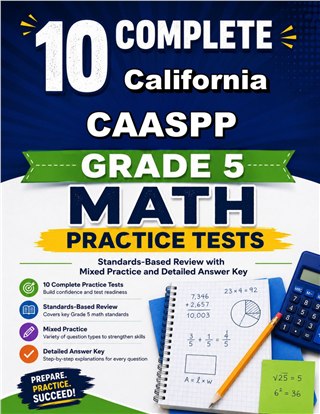
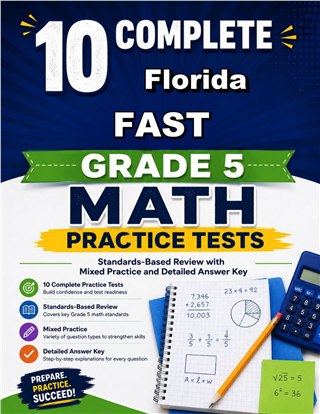
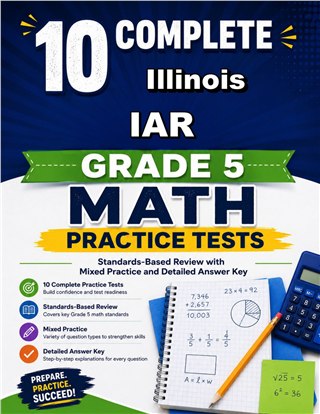
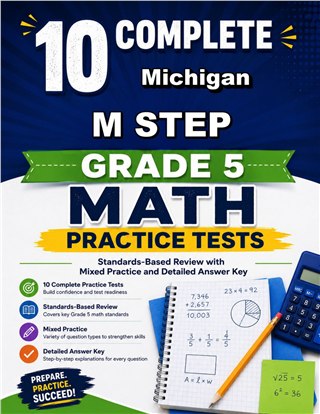
Start with state-specific practice tests, review missed questions, then use additional timed practice as a checkpoint.
Summary
Printable and online math practice tests both work when used for the right purpose. Printable tests are best for learning and correction. Online tests are best for pacing and digital readiness. A hybrid routine gives students the benefits of both.
FAQ
Are printable or online math practice tests better?
Both can work well. Printable tests are excellent for scratch work and deep review. Online tests are useful for pacing, quick feedback, and digital test familiarity.
When should students use printable math practice tests?
Printable tests are best when students need to show work, mark up word problems, review mistakes carefully, or practice away from screens.
When should students use online math practice tests?
Online tests are best for timed practice, digital test routines, quick scoring, and building comfort with screen-based assessments.
Is a hybrid practice routine better?
Often yes. Many students benefit from printable practice for learning and online practice for timing, pacing, and test-format familiarity.
Do online tests replace paper scratch work?
No. Even during online practice, students should use scratch paper for multi-step problems, models, calculations, and checking work.
What should parents choose for state math test prep?
Choose the format that matches the goal. Use printable practice for review and correction, and online practice for pacing and digital readiness.