





The final week before a state math test should feel calm and focused. It is not the best time to cram every topic. It is the time to review high-impact skills, correct common mistakes, practice pacing, and build confidence.
This seven-day plan gives parents a simple way to organize the final week before the state math test without overwhelming the student.
The 7-Day Plan
| Day | Focus | What to Do |
|---|---|---|
| Day 7 | Practice test checkpoint | Take one realistic practice test or two timed sections. |
| Day 6 | Error review | Sort missed questions by skill and mistake type. |
| Day 5 | Targeted review | Review the two weakest skills with examples and retry problems. |
| Day 4 | Mixed practice | Solve a short mixed set with word problems, graphs, and calculations. |
| Day 3 | Pacing | Practice a timed section and checking routine. |
| Day 2 | Light review | Review the error log and solve a few confidence-building problems. |
| Day 1 | Rest and readiness | Prepare materials, avoid cramming, and get enough sleep. |
What to Avoid During the Final Week
The final week is not the time for panic practice. Too much pressure can make students tired and anxious.
- Do not cram brand-new topics on the last day.
- Do not take a full practice test the night before.
- Do not focus only on the score.
- Do not review every missed question at once.
- Do not sacrifice sleep for extra practice.
Final review tool
Final Error Log Review
Use the error log to choose the highest-impact review topics. Review repeated mistakes first.
Repeated skill mistakes
Review the skill with one example and two retry problems.
Careless mistakes
Practice checking work and rereading the final question.
Pacing mistakes
Practice skipping hard questions and returning later.
Confidence mistakes
End practice with problems the student can solve successfully.
Confidence and Test Anxiety
Confidence comes from predictable routines. Students should know how to start a hard problem, how to check an answer, and what to do if they get stuck.
- Take one slow breath before starting a difficult question.
- Underline what the question asks.
- Use scratch paper for multi-step work.
- Skip and return if one problem takes too long.
- Check that the answer makes sense before moving on.
Test-Day Routine
On test day, keep the routine simple. Eat breakfast, arrive on time, stay calm, and use the same strategies practiced during the week.
Remind your child that a difficult question does not mean the whole test is going badly. It only means it is time to slow down, think, and use the plan.
Next step
Practice Resources for the Final Week
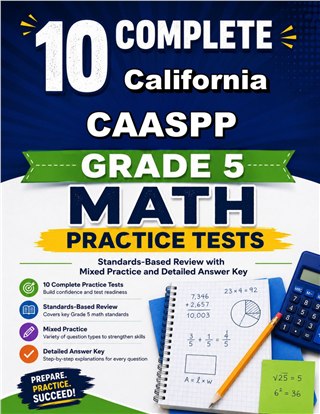
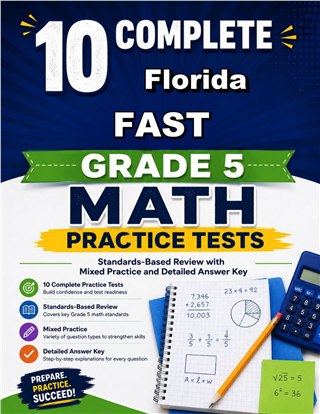
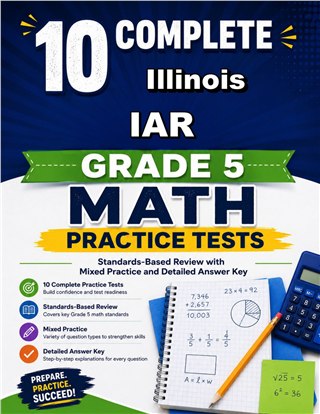
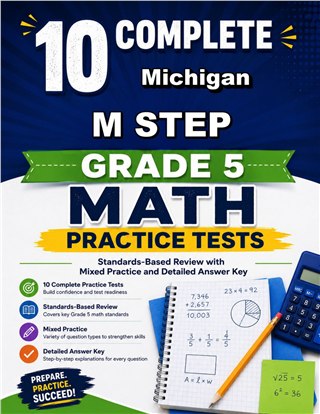
Use practice tests early in the final week, then switch to correction, short quizzes, and confidence-building review.
Summary
One week before the state math test, focus on review rather than cramming. Take a final practice checkpoint early, review missed questions, practice pacing, keep the last day light, and protect sleep and confidence.
FAQ
What should students do one week before the state math test?
Students should review high-impact skills, correct missed questions, take one realistic practice test early in the week, and keep the final day calm.
Should students cram new math topics the week before the test?
No. The final week should focus on review, confidence, pacing, and correcting common mistakes. Avoid heavy new learning on the last day.
When should students take the final practice test?
Take the final full practice test early in the week, not the night before. This leaves time to review mistakes calmly.
What should parents do the night before the state math test?
Keep the evening calm. Prepare materials, avoid cramming, review a few confidence-building problems, and prioritize sleep.
How can students reduce test anxiety during the final week?
Use predictable routines, light review, positive correction, practice breathing, and reminders that mistakes are part of learning.
What is the most important final-week review tool?
The error log is the most useful tool. It shows the exact mistakes students should review before test day.